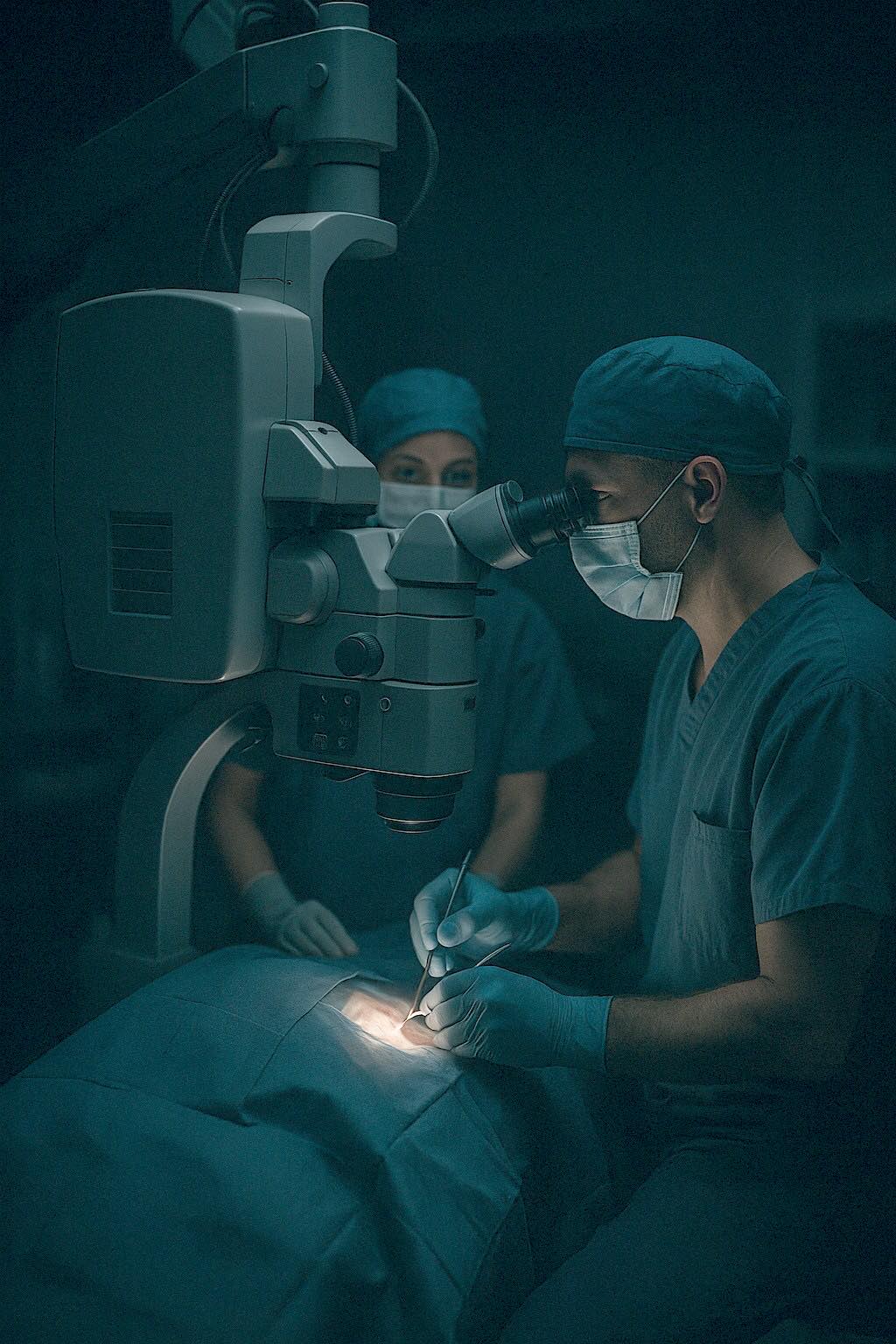

HF is independent of regulatory categorization
By Horacio M Pace-Bedetti, PhD, Principal Human Factors Engineer
Question this answers
Does human factors depend on medical device regulatory class?
Human factors is not tied to regulatory classification. Regulators can request evidence of how use-related risks are addressed even for lower-class devices and drug products. While the depth and rigour of the human factors process scale with the risk of harm, applying usability principles ensures safe, effective use and better market adoption.
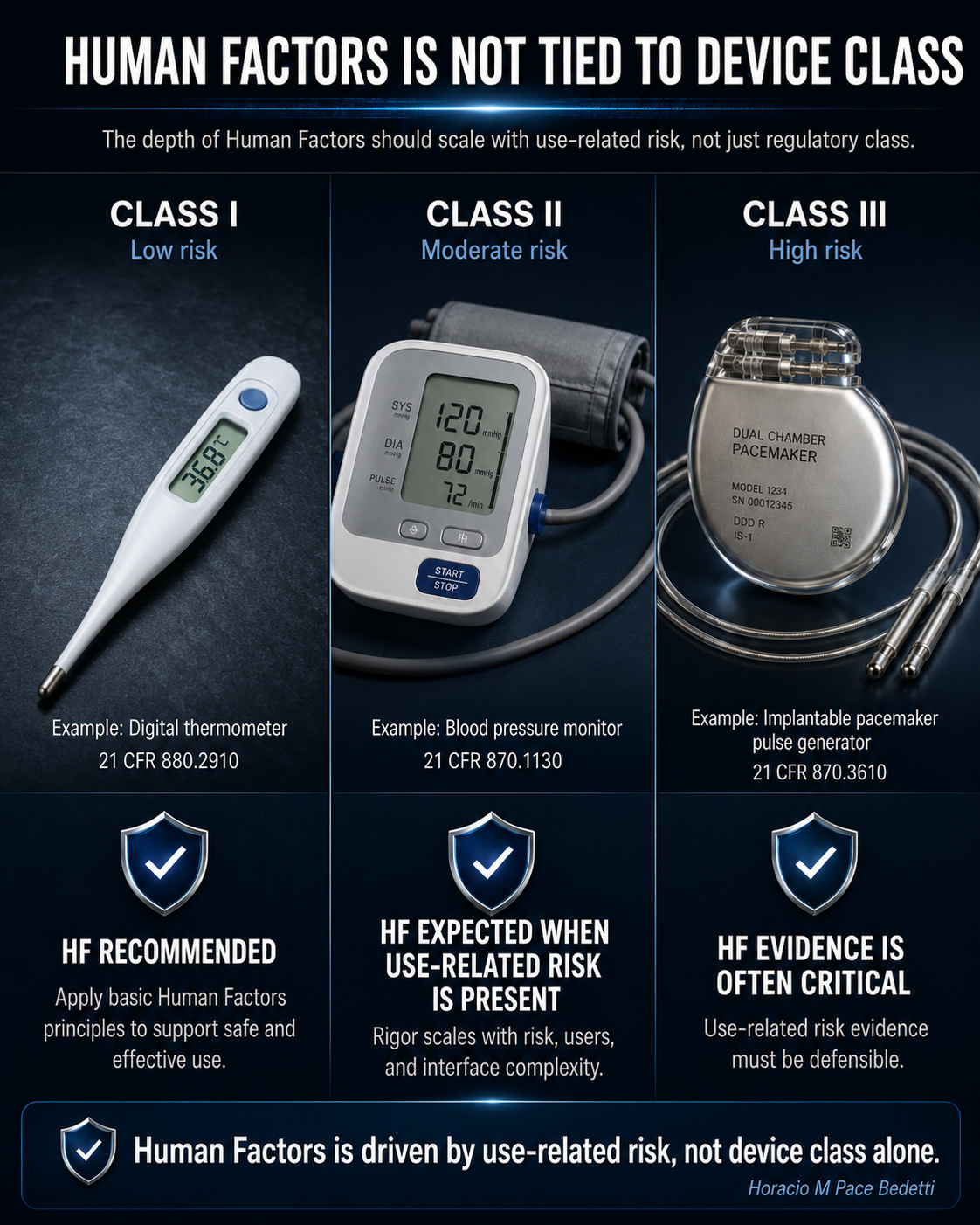
I have lost count of how many times I’ve heard someone say, “We only need Human Factors because our device is Class II” or “That’s just for higher-risk products.” This is one of the most persistent myths in medical device development.
Human Factors is not tied to a regulatory class. Even for drug products and lower-class devices, you can get a request from regulators asking how you have addressed use-related risks. It is not about ticking a box for submission. It is about designing something people can actually use safely and effectively in the real world.
The real benefit of Human Factors goes beyond compliance. HF helps teams design better products, reduces risks, and increases the chance your product will be adopted by users and buyers. If you ignore basic usability until you become “high risk,” you are already behind.
Every product can benefit from basic HF principles: understanding your users, their environments, and the realities of daily use. The main difference comes down to how much depth and rigor you need in your HF process, and that scales with the risk of harm your device poses.
If you care about safe use and true adoption in the market, consider Human Factors for every product, not just those with a high regulatory class.
#humanfactors #medicaldevices #usability #combinationproducts